How to Build 3D Websites with AI in 2026
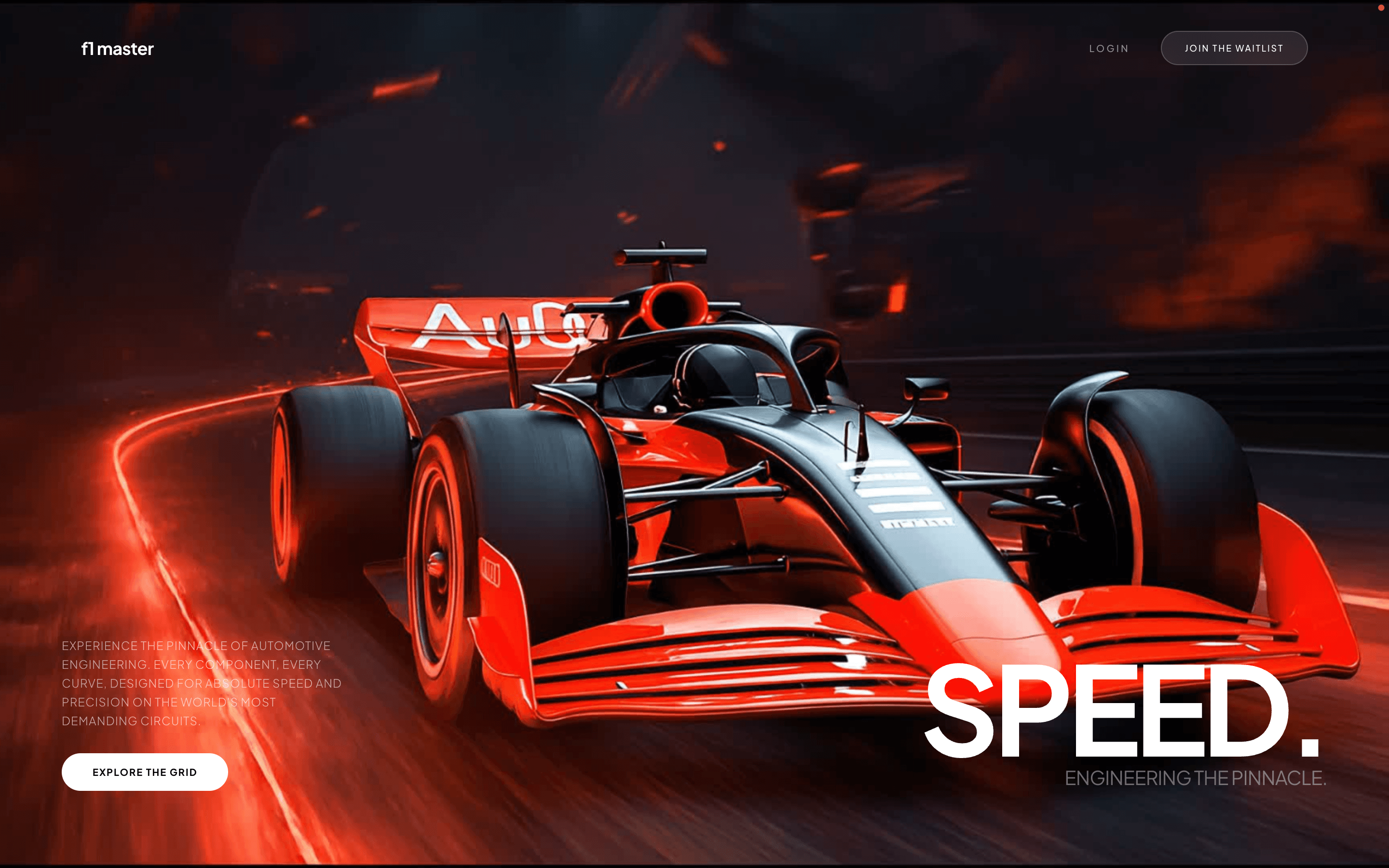
The landscape of web development is shifting dramatically. Simple 2D landing pages are no longer enough to capture user attention in a hyper-competitive digital space. Today, the most engaging websites utilize dynamic 3D elements, scroll-driven animations, and cinematic experiences that instantly captivate audiences.
But until recently, building these 3D experiences required deep knowledge of WebGL, Three.js, and complex animation libraries. It was a time-consuming, expensive process reserved for elite design agencies.
In 2026, that barrier to entry has completely vanished.
With the advent of AI-powered 3D website builders like Framerate, anyone can generate cinematic, high-performance 3D websites in minutes. In this comprehensive guide, we'll explore exactly how this technology works and how you can leverage it for your next project.
The Evolution of Web Design: From Static to Cinematic
Over the past decade, we've seen a clear progression in web design trends:
- The Static Era (pre-2015): Basic HTML/CSS layouts with limited interactivity.
- The Responsive Era (2015-2020): Mobile-first design, flexible grids, and simple CSS transitions.
- The Interactive Era (2020-2024): Heavy use of React, complex state management, and basic WebGL integrations.
- The Cinematic Era (2025-Present): AI-generated 3D environments, scroll-driven timelines, and seamless multimedia integration.
The shift toward the Cinematic Era has been driven by increased browser capabilities (WebGPU) and the exponential growth of generative AI models capable of creating high-quality 3D assets and environments.
How AI 3D Website Builders Work
Modern AI website builders don't just generate code; they generate entire environments. Here's a breakdown of the three core steps in the AI 3D web creation pipeline:
1. Generating the Environment
The process begins with a simple text prompt. You describe the scene you want—for example, "A futuristic neon cyberpunk racing track at sunset."
The AI instantly generates a high-resolution, panoramic 3D environment based on this prompt. Unlike flat 2D images, this environment has depth data, allowing the camera to move through it naturally.
2. Scene Animation and Camera Paths
Once the environment is established, the AI plots optimal camera paths. Instead of manually keyframing a camera in a 3D software suite, the AI understands the focal points of the generated scene and creates smooth, cinematic swoops and pans.
These animations are automatically tied to the user's scroll position, ensuring that the user controls the pacing of the experience.
3. Assembling the Web Experience
Finally, the AI overlays your content (text, buttons, forms) onto the 3D canvas. It automatically handles:
- Lighting and Shadows: Ensuring text remains readable regardless of the 3D background.
- Responsive Scaling: Adapting the 3D canvas to mobile, tablet, and desktop screens.
- Performance Optimization: Compressing textures and optimizing the render loop to maintain 60FPS.
Why 3D Websites Outperform Traditional 2D Pages
The shift to 3D isn't just an aesthetic choice; it's a measurable business advantage.
Increased Engagement Metrics
Users spend significantly more time on interactive 3D sites. The novelty and exploratory nature of a scroll-driven 3D experience naturally encourage users to scroll to the bottom of the page, drastically reducing bounce rates.
Higher Conversion Rates
When a user is actively engaged and visually stimulated, they are far more likely to absorb your core message and interact with your Call to Action (CTA). Early data suggests that immersive 3D landing pages can see conversion rate increases of up to 40% compared to static counterparts.
Stronger Brand Perception
A cinematic website signals quality, innovation, and premium status. It immediately differentiates your brand from competitors using standard, template-based designs.
Getting Started with Framerate
Building your first 3D website with Framerate takes less than 5 minutes.
- Sign Up: Create a free account at Framerate.space.
- Enter your Prompt: Describe your vision in the project creation form.
- Customize: Tweak the generated environment, add your copy, and adjust the color palette.
- Publish: Hit deploy, and your high-performance 3D site is instantly live on the global edge network.
Conclusion
The era of spending months and tens of thousands of dollars on custom 3D web experiences is over. AI 3D website builders have democratized access to cinematic web design, allowing creators, marketers, and developers to ship breathtaking sites at the speed of thought.
Start building your 3D experience today and leave a lasting impression on your audience.