The Future of Web Design: Scroll-Driven 3D Experiences
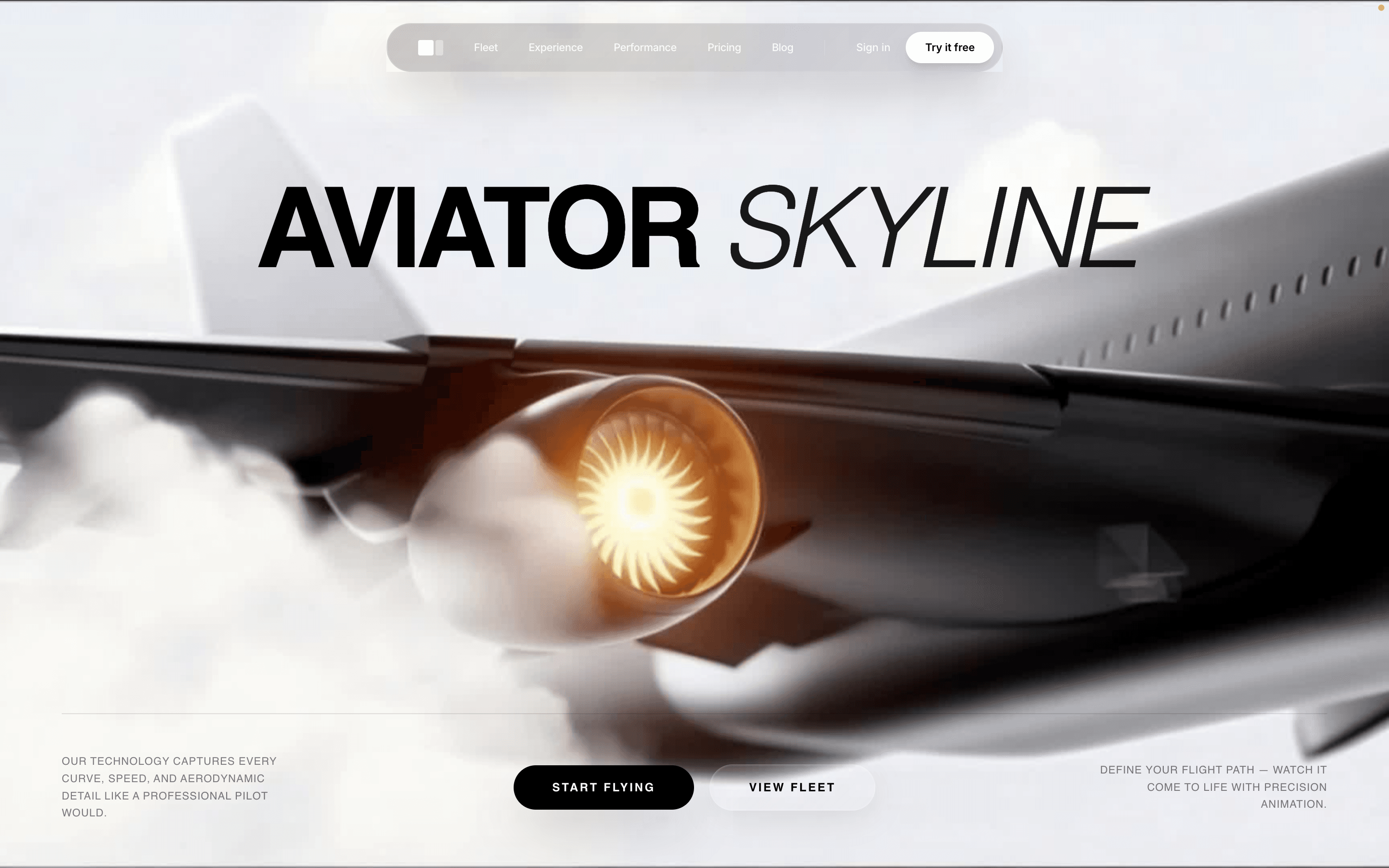
As user attention spans continue to dwindle, web designers are constantly searching for new ways to captivate audiences. Enter scroll-driven 3D experiences—a design paradigm that transforms the mundane act of scrolling into an interactive, cinematic journey.
In this deep dive, we'll explore why scroll-driven 3D websites are taking over the premium web, the psychology behind their effectiveness, and how platforms like Framerate are making them accessible to everyone.
What is a Scroll-Driven 3D Experience?
A scroll-driven 3D experience ties the progression of a 3D animation directly to the user's scroll position on the page.
Unlike traditional videos that play passively, or standard websites where scrolling simply moves content up the screen, a scroll-driven 3D site makes the user the director of the experience. As they scroll down, a 3D camera might fly through a landscape, a 3D product might assemble itself, or a dynamic environment might shift and change.
The Technical Foundation
Historically, building these experiences required complex tech stacks:
- WebGL / WebGPU: For rendering the 3D graphics in the browser.
- Three.js: To simplify the WebGL API.
- GSAP (GreenSock): For complex scroll-trigger animations.
Today, AI generation platforms abstract all of this complexity away, generating the necessary underlying code automatically.
The Psychology of Scroll-Driven Design
Why are these experiences so effective? It comes down to basic human psychology and interaction models.
1. The Illusion of Control
When animation is tied to scrolling, the user feels a strong sense of control. They can scroll fast, slow, or even backward, and the environment responds instantly. This interactive loop keeps the brain engaged far longer than passive viewing.
2. Storytelling Through Spatial Progression
Humans are spatial creatures. We understand stories better when they involve movement through space. Scroll-driven 3D sites tell a story by moving the user through a physical (albeit virtual) environment, revealing information exactly when the narrative demands it.
3. Gamification of Content Consumption
By turning the website into an interactive environment, the act of reading content feels less like a chore and more like a game of discovery. Users scroll just to see "what happens next" visually, naturally absorbing the written content along the way.
Key Metrics: The ROI of 3D Web Design
Implementing a 3D scroll-driven design isn't just about looking cool; it drives tangible business results.
- Dwell Time: Sites employing interactive 3D elements routinely see average session durations double or triple compared to 2D sites.
- Information Retention: Users are 65% more likely to remember key brand messaging when it's presented in an interactive, spatial context.
- Conversion Rates: By guiding users along a literal 3D path toward a CTA, brands report significant lifts in final conversion metrics.
Common Pitfalls to Avoid
While 3D websites are powerful, they can be executed poorly. If you're building one, watch out for these common traps:
Scroll Hijacking
Never break the default scroll behavior of the browser to force a specific animation speed. Always let the user scroll at their natural pace, and tie the animation progress smoothly to that natural scroll event.
Performance Bloat
Unoptimized 3D models and massive textures will crash mobile browsers and hurt your SEO via terrible Core Web Vitals (specifically LCP and INP). Always use compressed formats (like glTF/glb) and implement lazy loading. (Note: Platforms like Framerate handle this optimization automatically).
Content Obscurity
Don't let the 3D visuals overpower the actual content. The 3D environment should support the copy, not make it unreadable. Ensure high contrast and clear typography.
The AI Revolution in 3D Web Design
The primary reason we're seeing an explosion of 3D websites right now is the advent of Generative AI.
Just a year ago, creating a scroll-driven 3D site meant hiring a specialized agency for $30,000+. Today, AI platforms allow anyone to generate these experiences instantly. By analyzing prompts, the AI can construct the 3D scene, plot the camera paths, and perfectly sync the animations to the scroll wheel—all in the time it takes to brew a cup of coffee.
Final Thoughts
The web is moving from pages to places. Scroll-driven 3D experiences are at the forefront of this transition, offering unparalleled engagement and storytelling capabilities. As AI tools continue to lower the barrier to entry, we can expect this cinematic approach to become the new standard for digital experiences.